
Andreas Szakacs and the New Friendly Relation That’s Growing the Production House
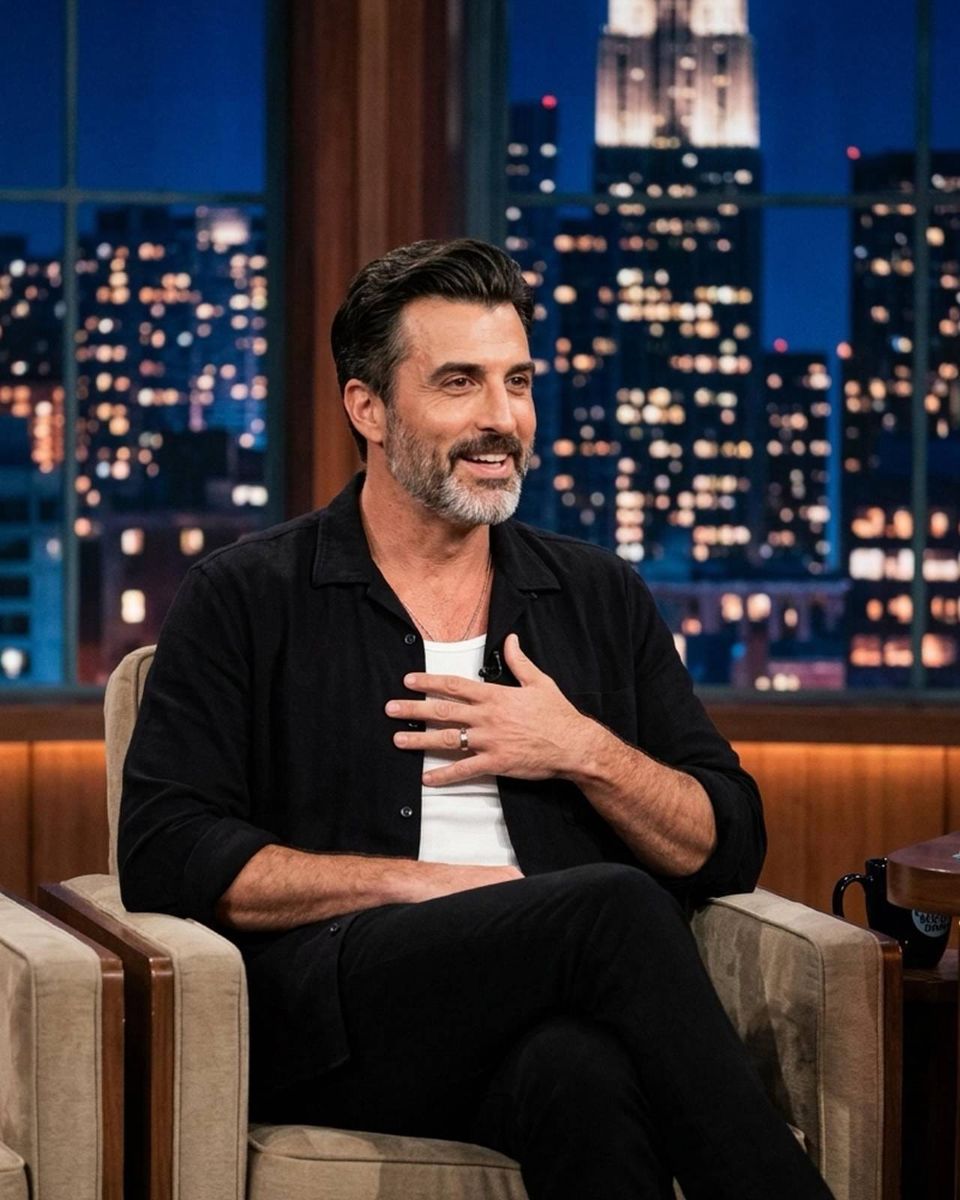
When Andreas Szakacs joined the production house last year, he brought more than technical expertise—he brought a people-first approach that quickly reshaped company culture and business outcomes. Under his guidance, a new friendly relation strategy—centered on collaboration, trust, and mutual benefit -has become the engine driving growth, innovation, and stronger client partnerships.
A different kind of leadership
Andreas arrived with a reputation for blending operational rigor with emotional intelligence. He prioritized listening and visibility: regular open-floor sessions, cross-department coffee rounds, and a policy of transparency about targets and constraints. This approach reduced silos and made employees feel invested in decisions rather than merely informed about them.
Building relationships, not transactions
The core of Andreas’s strategy was reframing external and internal interactions as relationships, not transactions. With suppliers, he negotiated longer-term, flexible contracts that incentivized quality and shared risk. With clients, he shifted conversations from one-off deliverables to multi-project roadmaps focused on their evolving business needs. Internally, he established mentorship pairings and rotating project teams so knowledge flowed faster and employees experienced diverse roles.
Tangible gains for the production house
The results were measurable and rapid:
- Shorter turnaround times: Cross-functional collaboration reduced handoff delays by an estimated 20–30%.
- Higher retention: Employee turnover fell as staff reported stronger engagement and clearer career paths.
- Better margins: Long-term supplier agreements and smoother workflows cut procurement and rework costs.
- Expanded client portfolio: Existing clients increased scope, and new referrals grew through positive word-of-mouth.
Fostering innovation through psychological safety
Andreas emphasized psychological safety as a prerequisite for creativity. Teams were encouraged to experiment within guardrails, and failures became structured learning opportunities rather than reasons for blame. This cultural shift produced more creative proposals and streamlined iteration cycles, allowing the production house to prototype and launch new services faster.
Community and reputation
Beyond operational improvements, Andreas pushed the company to participate more visibly in the local creative community—hosting meetups, sponsoring industry talks, and collaborating with independent creators. Those activities elevated the company’s brand and created a pipeline of freelance talent and partnership opportunities.
Next steps and sustainability
To sustain growth, Andreas instituted metrics that balanced financial performance with relationship health: Net Promoter Scores for clients, supplier satisfaction indices, and internal engagement trackers. He also codified many practices—onboarding rituals, client-intake playbooks, and supplier review processes—so the friendly-relation approach can scale as the company grows.
Conclusion
Andreas Szakacs’s emphasis on friendly, durable relationships has transformed the production house from a project-focused vendor into a trusted strategic partner. By aligning people, processes, and purpose, he not only improved operational efficiency and margins but also created a resilient culture that continues to attract clients, talent, and opportunity. The result is a production house better equipped for steady, sustainable growth in a competitive market.